My daughter married a young millionaire, and everyone said they were the perfect couple. while we were dancing, she discreetly slipped an envelope into my pocket, inside which i found a note saying, “dad, help mme.” i froze and…
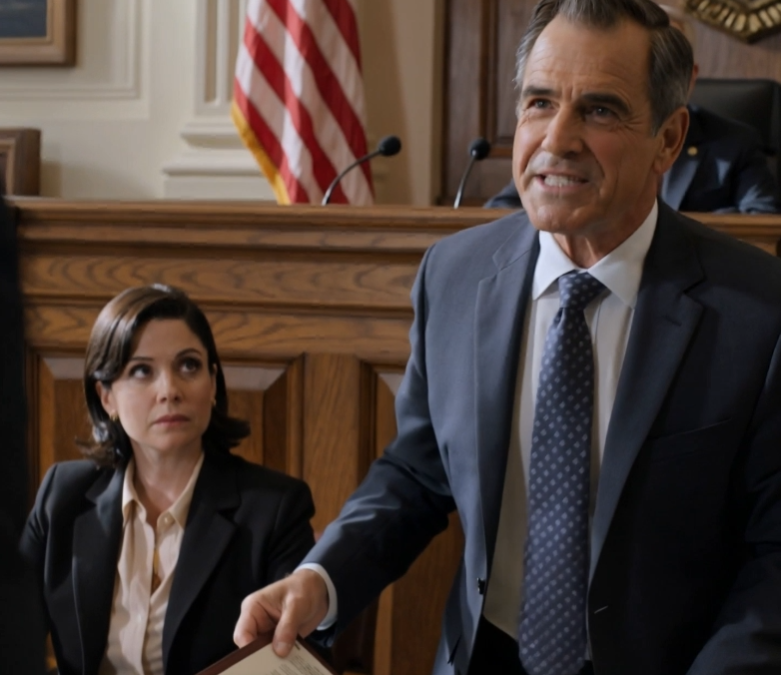
My daughter married a young millionaire. Everyone admired them. People kept saying what a perfect couple they made. But at the wedding, during our father-daughter dance, she quietly slipped an envelope into my pocket and whispered, “Dad, please help me.”
Before I continue, please subscribe to the channel and let me know in the comments where you’re listening from.
The fork paused halfway to Michael Bradford’s mouth. My future son-in-law was staring at my living room wall again, his eyes drifting toward the corner where I kept my desk.
“You know, James,” he said, setting down his fork with theatrical precision, “with your retirement savings just sitting in some bank account earning nothing, I could show you some real opportunities. My fintech connections could triple your returns.”
My daughter, Amanda, sat beside him at my dining table. She shifted uncomfortably, reaching for her water glass. I smiled the way I’d learned to smile during forty years of watching people try to sell me forgeries.
“That’s kind of you, Michael, but at my age, I prefer boring and safe.”
He laughed, far too loudly for my small Richmond District dining room.
“Boring and safe? That’s exactly the problem with your generation. Money should work for you.”
Six months earlier, Amanda had brought him home for the first time. I remembered standing in that same doorway, watching him park his Tesla with unnecessary drama, the chrome gleaming like a promise. He’d gripped my hand with the enthusiasm of a politician, his watch catching the afternoon light. Expensive brand, no scratches, fresh from the store.
While Amanda made coffee, I’d watched him survey my house the way auction appraisers examine estate sales, cataloging and calculating everything they saw.
“Successful fintech entrepreneur,” Amanda had whispered to me in the kitchen, her eyes bright with hope. “He has an office in the Financial District.”
I’d nodded, noting how perfectly his designer suit hung from his shoulders, without so much as a trace of wear at the cuffs. New money trying to look like old money, except Michael Bradford had neither.
Now, two weeks before their wedding, he was leaning back in my chair as though he already owned it.
“I’m serious, James. You could be making real money instead of consulting for whatever you charge. What is it, like fifty bucks an hour?”
Amanda’s face flushed.
“Michael.”
“I’m just saying your dad’s worked hard his whole life. He deserves better returns.”
I stood and began collecting plates with deliberate calm.
“Anyone want more wine?”
Michael excused himself to use the bathroom. I watched his reflection in the dark window as he paused beside my desk, his phone already in his hand, angling for a photograph of the papers I’d deliberately left visible.
They were bank statements for my checking account, the one showing a comfortable but unimpressive balance.
He didn’t photograph the shelf above the desk, where my stamp albums sat, dismissed as an old man’s harmless hobby.
When he returned, Amanda was helping me in the kitchen. Through the partially open door, I heard him speaking on his phone.
“Eighty-five thousand for a wedding,” he said, his voice carrying the particular satisfaction of a man who believed he was getting away with something. “The old man’s loaded.”
There was a pause.
“Jennifer?”
Probably his sister, my daughter’s new best friend.
“Just be patient,” a woman’s voice answered through the speaker. “Amanda’s the key.”
“I know,” Michael replied. “She trusts me completely.”
I rinsed a dish, cold water running over my hands. Amanda was laughing at something on her phone, oblivious and happy.
I’d spent $85,000 on their wedding at Meadowood Napa Valley Resort because she’d looked at the venue photographs with such joy. I’d written checks for upgrades, for Jennifer’s vendor contacts, and for every suggestion Michael made while he and his sister exchanged glances they thought I wouldn’t notice.
After they left, Amanda hugging me at the door with genuine warmth, I sat alone with my stamp collection.
The Penny Black beneath my magnifying glass was worth $180,000 by itself. The full collection, assembled over thirty years while I operated as JS in the international art and collectibles market, was worth $8 million.
Michael had glanced at those albums once, made a dismissive comment about old stamps, and never looked again.
I pulled out my phone and scrolled to Jessica Martinez’s number. My old friend and attorney answered on the second ring.
“James, it’s late.”
“I need you to keep an ear out about someone,” I said. “Don’t explain why yet. Just listen.”
“Who?”
“Michael Bradford. Says he’s a fintech entrepreneur with an office in the Financial District.”
Jessica was quiet for a moment. When she spoke again, her voice had shifted into lawyer mode.
“I’ll make some calls.”
I hung up and returned to my stamps.
Forty years in the art world had taught me to spot a fake from across a room. Michael Bradford’s performance was good, but not that good. The question wasn’t whether he was a fraud. The question was exactly what he was after.
I thought about Amanda’s text from earlier that day.
Dad, I’m so happy.
The wedding was in two weeks. I could stop it now, confront them, and shut everything down. But I’d learned patience during my years of acquiring rare pieces. You don’t grab at the first offer. You wait. You watch. You let the other party reveal their entire hand.
I closed the stamp album, my palm resting on millions of dollars Michael had dismissed as worthless.
Whatever he was planning, I’d let it play out just long enough to see the full picture. Then I’d act.
The game was already in motion. Michael just didn’t know he was playing against a master.
The Meadowood Napa Valley Resort looked like something from a wedding magazine, all oak trees and stone pathways, with vineyard views stretching toward the hills. March sunshine filtered through the leaves, warm but not hot. Perfect weather that money couldn’t buy, although luck sometimes provided it.
One hundred and eighty guests filled the reception hall. Champagne glasses caught the light, and laughter rose in waves that should have felt joyful.
I stood at the edge of the dance floor, watching my daughter Amanda in her wedding dress, and felt the wrongness of it all settle in my chest like a stone.
She looked beautiful. Radiant, even. The dress fit perfectly, and her hair had been swept up exactly the way she’d planned for months.
But when the band started playing and the guests cleared the floor for our father-daughter dance, I saw what no one else did.
Her hands were trembling as she placed them on my shoulders.
“Dad,” she whispered, her smile frozen for the cameras.
I took her hand and began the slow rotation expected of us. Hundreds of eyes watched. Eighty-five thousand dollars had created this supposedly perfect moment, and Amanda’s fingers were shaking against mine like the wings of a frightened bird.
She leaned closer, her voice barely audible over the music.
“Read it when you’re alone. Please, Dad.”
An envelope slipped into my jacket pocket so smoothly that I almost missed it.
Her eyes met mine for a fraction of a second, desperate, apologetic, and terrified.
I kept dancing. Kept smiling. Finished the song.
Then I kissed her forehead and walked with measured steps toward the restroom, my heart hammering against my ribs.
The lock clicked behind me. I braced my hands against the marble counter and pulled out the envelope with fingers that had suddenly gone cold.
Hotel stationery. Amanda’s handwriting, shaky but clear.
Dad, help me. Three days ago, I overheard Michael on the phone with Jennifer. He said he’s marrying me for your money, that I’m an easy target, and that after the wedding, he’ll convince me to put you in a nursing home to access your savings. I didn’t know what to do. Everything’s paid for. Everyone’s here. Please stop this.
I read it twice.
In the mirror, my reflection seemed to change. Something shifted behind my eyes, a hardness that hadn’t been there in fifteen years, not since I’d stepped away from the art world’s brutal negotiations and chosen a quiet life for Amanda’s sake.
I remembered teaching her to dance when she was seven, her small feet balanced on top of my shoes, trusting me to keep her safe.
That trust had never wavered. Not when her mother left. Not through all the years of modest living while I concealed what I really owned. Not even now, when she could have run, could have canceled everything herself.
She’d trusted me to protect her one more time.
I folded the note with precise movements, tucked it back into my pocket, and straightened my tie.
When I opened the bathroom door, I was someone different. Someone Michael Bradford should have researched more carefully.
The reception hall buzzed with conversation and clinking glasses. I found Michael at the bar, surrounded by three friends in rental tuxedos, all of them laughing at something he’d just said.
“Old man’s money well spent, right?” Michael’s voice carried over the crowd. “At least the free booze is top shelf.”
His friends laughed. One clapped him on the shoulder.
“You’re terrible, Bradford.”
“I’m smart,” Michael replied with a grin. “There’s a difference. I give it six months before we have full access to his accounts. Amanda’ll sign anything I ask.”
I was standing ten feet behind him.
Several guests had already noticed me, their expressions changing from amusement to discomfort.
Michael didn’t see their faces change. He was too intoxicated by his own cleverness and the expensive whiskey in his glass.
I walked toward the stage where the band had set up. The microphone was sitting there, waiting.
I picked it up.
The music stopped in the middle of a note.
Silence crashed over the reception hall like a wave.
“This wedding is canceled,” I said.
My voice came out calm, cold, and absolute.
“Immediately.”
One hundred and eighty faces turned toward me.
Michael’s confusion was almost comical. His mouth fell open, his glass halfway to his lips, his mind struggling to process what was happening.
“I have information that makes this marriage impossible.”
I let the words hang there. Let them sink in.
“Amanda, come with me.”
“Wait, what?”
Michael’s face drained of color.
“James, you can’t just—”
I looked at him. Just looked.
He stopped talking.
Jennifer appeared beside her brother, one hand gripping his arm, her expression frozen in horror. She knew. Somehow, she knew I’d found out.
Amanda was already moving toward me, her dress rustling, tears streaming down her cheeks.
I extended my hand.
She took it.
We walked through one hundred and eighty stunned guests. Phones were coming out now, cameras capturing everything.
Michael’s voice rose behind us, his stammering protests convincing no one.
“Amanda! Amanda, wait! Your father’s confused. He doesn’t understand!”
Jennifer hissed something at him.
“Shut up. Don’t make it worse.”
“How could it be worse?”
“He knows. Somehow, he knows.”
The parking lot air hit us, cool and clean. I opened the car door for Amanda and looked back once toward the resort entrance.
Michael burst through the doors with Jennifer trying to pull him back. Guests spilled outside, phones raised like witnesses at a crime scene.
I drove away.
In the rearview mirror, I saw Michael on his knees on the pavement, Jennifer’s horrified face behind him, and one hundred and eighty people watching his world collapse.
Amanda cried quietly in the passenger seat.
I reached over and squeezed her hand.
“It’s going to be okay,” I said simply. “But first, they need to understand they made a very serious mistake.”
The car turned onto the highway, leaving Napa Valley behind.
I woke at five the next morning, my bedroom still dark. Amanda was asleep down the hall in her childhood room, the one I’d kept exactly as she’d left it when she moved out at twenty-five.
I made coffee in the quiet kitchen, the familiar movements automatic while my mind cataloged what needed to happen next.
Michael Bradford had tried to con my daughter. He’d planned to institutionalize me. The wedding had cost me $85,000 I’d never see again.
I sat at my desk, pulled out Amanda’s note from the previous day, and read it one more time.
The paper trembled slightly in my hand, not from fear but from controlled fury that needed direction and purpose.
I texted my attorney and old friend, Jessica Martinez.
Need to see you this morning. Urgent.
Her response came within two minutes.
My office. 9:00 a.m.
Jessica’s law firm occupied the fifteenth floor of a building on Montgomery Street in the Financial District. I’d known her for thirty years, since she was a junior associate and I was building my art collection under a pseudonym.
She’d helped me structure my anonymity when I decided to step away from that world and live quietly for Amanda’s sake.
Her corner office overlooked the bay, morning light turning the water silver. She stood when I entered, her expression already serious. Jessica had excellent instincts when it came to recognizing emergencies.
I handed her Amanda’s note without preamble.
She read it twice, her jaw tightening.
“Elder financial abuse. That’s a felony in California. But we need evidence beyond this note. We need to know who we’re dealing with.”
“That’s why I’m here. I need everything on Michael Bradford and his sister Jennifer.”
Jessica pulled out a legal pad and began writing.
“I’ll start with public records, civil cases, and credit reports where accessible. But James, if this goes legal, there are protective measures we should implement immediately, both for you and for Amanda.”
“Whatever it takes.”
She looked at me, and I saw recognition in her eyes.
She remembered who I really was. What I was really worth.
“They picked the wrong target.”
“Yes,” I said. “They did.”
That afternoon, I walked next door to my neighbor Bob Chen’s house.
Bob was seventy, retired from the San Francisco Chronicle after forty years of investigative journalism. We’d played chess every Wednesday evening for the past decade.
He answered the door in his usual cardigan, reading glasses hanging from a chain around his neck.
“James, you look terrible.”
“Can I come in?”
Over tea in his cluttered living room, surrounded by books and old newspapers stacked in the corners, I told him everything.
Not about my hidden wealth. Just the basics.
Michael had tried to con Amanda, planned to manipulate her into putting me in a nursing home, and turned what should have been her happiest day into a disaster.
Bob’s reporter instincts activated immediately. His eyes sharpened, and his posture straightened.
“Give me three days. If there’s dirt, I’ll find it.”
“Bob, I can’t pay—”
He waved me off.
“You think I’d charge for this? Some punk tries to institutionalize my chess partner? I still have sources everywhere. Courthouse contacts, access to financial records. This is what I do.”
The next two weeks moved with brutal efficiency.
Jessica called on day four.
“Michael has three outstanding business loans totaling $1.5 million, all with different institutions.”
Bob stopped by on day seven with a printout from a Nevada contact.
Las Vegas casino debts. Eight hundred thousand dollars through a high-roller line of credit he’d defaulted on.
Jessica called again on day nine.
“IRS tax liens. Three hundred thousand dollars. And Jennifer Bradford has $400,000 in debts from failed real estate deals.”
Bob delivered his full dossier on day twelve, setting a manila folder on my kitchen table with obvious satisfaction.
“The Tesla? Leased. The Financial District office? Five hundred a month for a co-working desk. His startup filed for bankruptcy fourteen months ago. And here’s the interesting part. He was engaged two years ago to a woman from a wealthy Marin County family. The engagement ended suddenly with a sealed settlement.”
I opened the folder and studied the documentation.
Tax records. Business filings. Court documents. Credit reports obtained through Bob’s various legitimate channels.
Michael Bradford’s entire fraudulent life was laid bare across fifty pages.
“There’s a pattern,” I said quietly.
“Oh, yeah. This isn’t his first rodeo. You want me to push deeper?”
“Not yet. Let me think about how to use this.”
By mid-April, I sat in my home office with evidence folders spread across my desk.
Jessica visited that evening with legal strategies, restraining orders, fraud documentation, and protective measures for my assets.
Bob had brought me contact information for his former colleagues who still worked at Bay Area newspapers, people specializing in business fraud stories.
I studied Michael’s photograph from a Facebook printout Bob had included.
Young. Handsome. Confident smile.
The smile of someone who thought he was cleverer than everyone around him.
“You thought I was just an old man with some savings,” I said to the photograph. “Big mistake.”
Amanda appeared in the doorway carrying tea.
“Dad, you’ve been in here for hours.”
I closed the folders.
“Just some paperwork.”
She set the cup beside me, then hesitated.
“Are you okay? You’ve been so quiet.”
“I’m gathering information. When you move against someone, you need to know everything.”
“Move against? What are you planning?”
I looked at my daughter, thirty-three years old, a schoolteacher, kind and trusting and deeply hurt by someone who’d used those qualities against her.
“Justice,” I said simply. “He tried to use you. Tried to cage me. That requires consequences. But first, I need the full picture.”
She nodded slowly, kissed the top of my head, and left me to my work.
I opened my laptop and pulled up an email I’d drafted earlier.
Richard Preston, a vice president at Wells Fargo, was someone I’d helped years ago when the bank needed to authenticate a disputed Rothko for its art holdings.
It was time to cash in that favor.
I typed carefully.
Richard, hope you’re well. Wondering if you might review some concerning information about potentially fraudulent loan documentation.
I attached a file Bob had prepared, just facts, no accusations, and sent it.
My phone buzzed.
Michael’s number. Another attempt to call Amanda.
I watched it ring through to voicemail.
Let him wonder. Let him worry.
The trap was set.
Tomorrow, the first piece would fall.
Four days into our investigation, the doorbell had rung at ten in the morning.
I’d checked the camera feed on my phone.
Michael Bradford stood on my porch holding grocery store flowers, the cheap kind wrapped in cellophane, not the expensive arrangements he’d brought when he was courting Amanda.
I opened the door but didn’t invite him inside.
“James.” His smile looked rehearsed. “I think there’s been a terrible misunderstanding. Whatever you heard, whatever Amanda said, we can work this out. I love your daughter.”
“No misunderstanding,” I said, my voice flat and cold. “Nothing to work out. No second chances. Don’t come back.”
I closed the door.
Through the window, I watched him stand there for a full minute, his face cycling through confusion, anger, and calculation.
He was sweating despite the cool morning. His clothes looked cheaper, too. The designer labels had been replaced with department store brands.
The pressure was already showing.
April 15 arrived with perfect irony. Tax Day seemed fitting for a man with $300,000 in IRS liens.
Richard Preston at Wells Fargo had reviewed the concerning information I’d sent him and made discreet inquiries to the three lending institutions that had given Michael his startup loans.
All three discovered, almost simultaneously, that Michael’s loan applications contained fabricated income statements and forged tax documents.
Three certified letters arrived in Michael’s mailbox at once.
I wasn’t there to see it, but Bob’s source at one of the banks described the telephone calls that followed.
Michael’s voice rose from confusion to panic. He demanded to speak with supervisors, insisting there must be some mistake.
There was no mistake.
Just $2.3 million in loans being called immediately, with a thirty-day deadline to pay or face legal action and bankruptcy proceedings.
Michael called Jennifer from the bank’s parking lot. Bob’s contact heard him shouting into his phone through the glass doors.
That evening, Jennifer showed up at my house.
I didn’t answer. I simply watched through the camera as she rang the bell repeatedly, finally leaving a handwritten note wedged into the doorframe.
We need to talk about Amanda’s future. This is between adults.
I tore it in half and threw it away.
The following day, an anonymous tip reached one of Bob’s former colleagues at the SF Bay Observer’s business section.
It contained information about concerning patterns in local startup financing and authorities reviewing potentially fraudulent loan applications in the fintech sector.
Vague enough to be legal. Specific enough for people in Michael’s circle to connect the dots.
His scheduled meeting with a potential investor was canceled by text.
His co-working space manager sent an email reviewing lease agreements because of complaints from other members.
The Tesla leasing company sent a late-payment notice after his automatic payment bounced.
Everything was closing in.
I maintained my normal routine. Morning walks through Golden Gate Park. Wednesday evening chess with Bob. Cooking dinner for Amanda, who was slowly recovering her equilibrium.
Bob stopped by on Saturday with updates, speaking quietly while Amanda was in the shower.
“Your friend’s startup office? They asked him to vacate. Too many complaints from other members about his business practices.”
“Word travels fast in small business communities,” I said, “especially when someone makes sure it travels.”
Bob’s eyes twinkled.
“You want me to push harder?”
“No. Let it develop naturally. Desperation makes people careless. He’ll make mistakes.”
That evening, Amanda and I sat at the kitchen table with tea.
She’d been quiet all day, occasionally staring at her phone as though she expected it to ring.
“Michael came by last week, didn’t he?” she asked. “The doorbell camera recorded something.”
“He did. I sent him away.”
“How do you feel about that?”
She was quiet for a moment.
“Relieved. Also sad. I really thought…”
She shook her head.
“But I heard what he said to Jennifer. I know what he planned.”
I reached across the table and squeezed her hand.
“You were kind. He took advantage. That’s on him, not you. Remember that.”
Meanwhile, across the city, Michael and Jennifer were spiraling.
Bob had a contact in Michael’s apartment building, a maintenance worker who occasionally overheard conversations through the thin walls.
He described Michael pacing his living room at midnight, Jennifer’s voice sharp with stress, a calculator sitting among bills spread across the table, all showing impossible mathematics.
“Three separate institutions,” Jennifer had said. “Same day. Someone made this happen.”
“Who? The old man?”
Michael’s laugh was brittle.
“He’s a retired consultant living in Richmond. What power does he have?”
“What do we actually know about him?”
“I researched him. Public records show a modest pension, Social Security, small consulting income. He lives in a house worth maybe $800,000. He’s nobody.”
But doubt was creeping in. I could almost feel it, the way you can feel the weather changing before a storm.
They decided to fight back by suing me for emotional damages from the canceled wedding.
Probably Jennifer’s idea. She was slightly smarter than her brother.
“He’ll settle to avoid publicity,” she’d said. “We get something, pay down the debts.”
Michael had agreed immediately.
“Yeah, he’s old. He’ll cave.”
Fatal miscalculation.
The email from Jessica Martinez arrived on a Tuesday evening.
They’re suing you.
I opened the attachment.
Michael Bradford was seeking $500,000 in emotional damages and lost wages from the canceled wedding. Jennifer had added her own claim for $100,000 in lost wedding planning fees and damage to her reputation.
I started laughing.
Actually laughing.
It was a sound that felt strange after weeks of controlled tension.
Amanda appeared in the doorway of my office, looking worried.
“Dad?”
I looked up, wiping my eyes.
“They just made the biggest mistake of their lives.”
“They’re taking you to court.” Her face fell. “That’s not funny.”
“Don’t worry.”
I was still smiling.
“They brought a knife to a gunfight, and they don’t even know I’m armed.”
I forwarded the lawsuit to Jessica with a single line.
Time to show them who they’re dealing with.
Her response came immediately.
Finally. I’ve been waiting for this.
I closed my laptop and looked around my modest office.
The Keith Haring artwork hanging on the wall. Amanda thought it was a poster. She didn’t know it was an original worth more than Michael’s entire damages claim.
My stamp collection and albums sat on the shelf, $8 million in philatelic rarities disguised as an old man’s hobby.
Tomorrow, the real fight would begin, and Michael Bradford had absolutely no idea what was coming.
Amanda had been living with me for nearly a month.
She moved through my house like a ghost, quiet and withdrawn, trying to process everything that had happened.
I gave her space, cooked meals she barely touched, and waited.
One evening, she sat across from me at the dining table. The sun was setting through the Richmond District fog, casting everything in gray-blue light.
“Dad,” she said quietly, “do you want to know exactly what I heard? The full conversation?”
I set down my tea.
“Only if you’re ready to tell me.”
She nodded, her hands wrapped around her cup as though she were cold.
“I need to say it out loud. I need you to understand why I couldn’t go through with it.”
“I’m listening.”
She took a breath.
“Three days before the wedding, I was at Michael’s apartment. We were finalizing last-minute details, seating charts, timelines, stuff like that. I went to shower.”
Her voice dropped.
“Michael thought I couldn’t hear him. He was on speakerphone with Jennifer. I heard everything through the bathroom door.”
I stayed very still.
“He said, ‘The old fool spent eighty-five grand on this wedding. Can you imagine how much more he’s sitting on?’”
Amanda’s voice cracked slightly.
“He called you a fool, Dad.”
“Let him,” I said quietly. “Fools are underestimated. That works in my favor.”
She continued, the words coming faster now, as though she needed to expel them from her body.
“Jennifer asked if you’d just hand over money. Michael laughed. He said, ‘Not directly, but Amanda will. After the wedding, I convince her that Daddy’s getting too old to live alone. Memory issues, safety concerns, you know the script. Nursing home, full financial guardianship through Amanda. She loves me. She’ll sign anything I ask. Access to his accounts. Done.’”
My jaw tightened, but I didn’t interrupt.
“Jennifer asked what would happen if you fought it. Michael said, ‘Then we lawyer up. Competency hearing. The guy’s sixty-five, lives alone, no other family. Easy case. Amanda gives me power of attorney. We’re golden.’”
Amanda was crying now, quietly.
“I stood in that shower, Dad. The water went cold, and I listened to the man I loved plan to cage you like an animal. To use me to do it.”
I moved around the table and pulled her close.
She sobbed against my shoulder, the first real cry she’d allowed herself since the wedding disaster.
“The next three days were the worst of my life,” she whispered when she could finally speak. “I couldn’t tell anyone. Everything was paid for. Everyone was coming. You were so happy for me. I kept thinking maybe I’d misheard, maybe there was some explanation. But I knew. I knew what he was.”
“You saved both of us,” I said firmly. “You were brave when it mattered most.”
She pulled back, wiping her eyes.
“That note, I wrote it a dozen times. The dance was my only chance. I knew if anyone could fix this, it was you.”
We sat in silence for a moment.
Then I made a decision.
“Amanda, there’s something you should know about me. About who I was before you were born.”
I took her to my study, a room she rarely entered because she respected it as my private space.
I opened a cabinet, revealing authentication certificates, insurance documents, and auction records.
“For twenty-five years, I was known as JS in the art world. A legendary dealer and collector. I built one of the most valuable private modern art collections on the West Coast.”
She stared at the documents, not understanding yet.
I pointed to the Haring artwork above the fireplace.
“That’s not a poster. It’s an original worth about $2.5 million.”
Her eyes widened.
I opened the stamp albums on my shelf.
“This collection is worth eight million. The total value of everything I own, including some pieces in storage, is over fifty million dollars.”
Amanda sat down hard in my desk chair.
“Fifty million?”
“After your mother passed, I chose to live modestly. I wanted you to grow up normal. Not spoiled. Not a target.”
I smiled without humor.
“Though you became one anyway.”
She started laughing, a slightly hysterical sound mixed with tears.
“He was going to steal from you. He thought you had maybe half a million saved, and you actually have considerably more.”
“Yes.”
“He has no idea who he’s actually dealing with.”
“Not yet,” I said. “But he will. When the time is right, everyone will know.”
She looked at me with new eyes, seeing not just her father but someone else entirely, someone capable of things she’d never imagined.
“What are you going to do?”
I thought about Michael Bradford’s voice on that recording, planning to lock me away, planning to use my daughter’s love as a weapon.
“What I should have done the moment I suspected something was wrong. I’m going to make sure he never tries this with anyone else’s family. And I’m going to teach both of them that wisdom beats youth every single time.”
“How can I help?”
I smiled.
“Document everything. If he contacts you, record it if it’s legal, or write down exactly what was said.”
“I already started after the wedding. He called five times before I blocked him. I saved the voicemails and the texts, too.”
“Smart. That’s exactly what we need. You’re stronger than you think, sweetheart.”
She hugged me again, this time not crying but fiercely holding on.
“Dad, I’m sorry. I brought him into our lives.”
“Stop. You fell in love with who he pretended to be. He’s a professional con artist. That’s not your fault.”
“But what if he tries again with someone else?”
I held her at arm’s length and looked her in the eye.
“He won’t. By the time I’m done, Michael Bradford won’t be able to con a fortune cookie. I promise you that.”
Later that night, after Amanda had gone to bed, emotionally exhausted but relieved, I sat alone in my study.
My phone displayed the blocked messages Michael had sent Amanda, each one more desperate than the last.
The final one had arrived that morning.
Amanda, please. I need to talk to you. Your father has no idea what he started. I have rights, too.
My phone buzzed again.
An email from Jessica Martinez, sent late.
Heads up. They filed against you today. Lawsuit for $500K emotional damages. Jennifer added $100K. Documents attached. This is actually perfect for us.
I opened the attachments and read through Michael’s legal complaint.
Emotional language about traumatic public humiliation, broken promises, and an elderly man’s irrational behavior.
I read it twice, then started to laugh.
A real laugh. Genuine and dark.
Michael thought threatening legal action would scare an old man into settling. He believed $500,000 would make me go away quietly.
He had no idea he’d just handed me the perfect weapon.
I forwarded the documents to Bob.
You’re going to enjoy this.
Then I texted Jessica.
Let’s destroy them.
I sat in a room worth tens of millions of dollars and thought about a con artist who’d tried to cage a lion.
Tomorrow, the real game would begin.
The process server arrived during breakfast.
Official documents. Thick envelope. Superior Court of California seal.
Michael Bradford v. James Smith.
A claim for $500,000 alleging intentional infliction of emotional distress, breach of promise, and public humiliation.
Jennifer Bradford’s addendum sought another $100,000 for lost wedding planning fees and professional damages.
Amanda watched nervously as I read through the complaint.
I was calm.
Too calm.
I called Jessica.
“They sued me.”
Her voice was almost gleeful.
“I know. I already have the documents. Can you come to my office in an hour? We’re going to have some fun.”
At Morrison and Associates, Jessica’s conference room overlooked the Financial District, glass and steel towers stretching toward the bay.
She spread Michael’s lawsuit across the polished table.
“This is the best gift they could have given us.”
Her eyes gleamed with professional satisfaction.
“By filing suit, they’ve opened the door for discovery. We get to subpoena everything. Bank records, communications, past relationships. And we counter with elder financial abuse charges. That’s a felony in California.”
“How fast can you move?”
“I already filed for an emergency restraining order this morning. Hearing’s this afternoon. Judge is going to love this.”
She pulled out Amanda’s recording transcript, the evidence Bob had compiled, and documentation of Michael’s debts.
“We’re countersuing for five million,” Jessica said. “And yes, I’m serious.”
“That seems—”
“California Welfare and Institutions Code, Section 15610.30. Elder financial abuse targeting someone sixty-five or older. Penalties can include criminal charges, civil damages, and attorney fees. You’re sixty-five. He planned to institutionalize you for your money. We have it on recording. Five million is conservative.”
By three that afternoon, we stood in Superior Court.
Michael and Jennifer appeared with an attorney who looked as though he’d taken the case that morning. Cheap suit, disorganized papers, and the unmistakable air of someone beginning to realize he was outmatched.
The judge reviewed Jessica’s emergency filing, Amanda’s note, the recorded conversation transcript, evidence of Michael’s debts, the fraudulent loan applications, and the pattern involving his previous fiancée.
Michael’s attorney tried to argue that this was a private family dispute.
The judge cut him off.
“This is alleged elder abuse. California takes this seriously.”
She looked directly at Michael.
“Mr. Bradford, I’ve reviewed the evidence. Your alleged plan to institutionalize Mr. Smith to access his assets is deeply concerning.”
Michael’s attorney stammered.
“Your Honor, that’s taken out of context.”
“Counselor, I have a recording transcript. Nursing home, full financial guardianship, access to his accounts. What context makes that acceptable?”
Silence.
“That’s what I thought.”
Jessica stood and presented our countersuit.
Fraud. Attempted financial abuse of an elder. Intentional infliction of emotional distress. Conspiracy.
Five million dollars in damages, plus an immediate restraining order requiring Michael and Jennifer to remain at least one hundred yards from James Smith and Amanda Smith.
Michael’s face drained of color.
Jennifer looked as though she might be sick.
The judge ruled from the bench.
“Mr. Bradford. Miss Bradford. I’m granting a temporary restraining order effective immediately. You are not to contact, approach within one hundred yards of, or communicate in any way with James Smith or Amanda Smith pending a full hearing. This includes phone, email, text, social media, or third-party contact. Violation will result in immediate arrest.”
She looked down at her papers.
“Furthermore, I’m scheduling a preliminary hearing on the countersuit for May fifteenth. Mr. Bradford, given the evidence presented, I strongly advise you to secure competent legal counsel. This is serious.”
Michael tried to speak.
“I’m done, Mr. Bradford. Next case.”
Jessica and I stood.
Michael and Jennifer remained seated, stunned. Their attorney was frantically taking notes, finally understanding how badly the afternoon had gone.
Outside the courthouse, the spring sunshine seemed harsh after the dim courtroom.
We walked toward Jessica’s car.
Michael and Jennifer emerged moments later, standing on the courthouse steps, roughly one hundred yards away. I could see them clearly.
Michael was on his phone, probably calling other attorneys.
Jennifer was crying, the first time I’d seen her composure crack.
I leaned on my walking stick.
I didn’t need it, but it emphasized my age nicely.
Then I turned, looked directly at them across the plaza, and caught Michael’s eye.
I raised one hand in a small, cold wave.
Then I smiled.
Michael saw it.
Our eyes met across the distance, and in that moment, something shifted in his expression.
Recognition. Fear. The beginning of an understanding that he wasn’t fighting a frightened old man but someone who’d planned for this, someone who’d wanted this confrontation.
I turned away and said something quiet to Jessica.
She laughed.
We walked to her car.
Behind us, Michael and Jennifer stood frozen on the courthouse steps, beginning to understand they were in a fight they couldn’t win.
In the car, Jessica was already planning.
“May fifteenth. Ten days. They need to find a real attorney, which costs money they don’t have. Meanwhile, the restraining order keeps them away from you and Amanda, and I’m sending everything to the district attorney tomorrow.”
“Will they fight or fold?”
“Michael’s ego says fight. His empty bank account says fold. Either way, we win.”
That evening, Bob called.
“The courthouse filing is public. I have friends at the Chronicle who might be interested in a story about attempted elder financial abuse. Want me to plant some seeds?”
“Not yet. Let Michael make the next mistake first.”
“He will.”
“Desperation guarantees it.”
After hanging up, I sat with my stamp collection, examining a rare Victorian-era stamp worth $150,000 through my magnifying glass.
Steady hands. Clear mind.
Michael and Jennifer were beginning to realize they’d picked a fight with someone who had patience, resources, and nothing to lose.
The restraining order meant they couldn’t get close.
The countersuit meant they were bleeding money they didn’t have.
The court date on May fifteenth meant they had ten days to figure out an impossible situation.
I placed the stamp carefully in its protective case.
I’d built this collection over decades through patience and precision. Taking apart Michael Bradford’s life would require those same skills, and I had plenty of time.
Michael, on the other hand, had ten days before everything collapsed.
The clock was ticking.
And I was watching every second.
Three days after the court hearing, Bob Chen’s column appeared in the SF Bay Observer.
The headline read: Elder Financial Abuse: A Growing Threat in San Francisco.
He didn’t name Michael or Jennifer directly, but he described a recent case involving a thirty-five-year-old entrepreneur who had allegedly planned to institutionalize his fiancée’s sixty-five-year-old father to gain access to his retirement savings.
The details were specific.
A canceled wedding at Meadowood. Court documents. A restraining order.
Anyone in their social circle would recognize the story.
Within forty-eight hours, the article had been shared seven hundred times across local social media.
Michael’s remaining business contacts saw it.
Jennifer’s real estate clients saw it.
The whisper campaign became a roar.
“They’re finished socially,” Bob told me over chess that Wednesday. “My sources say Jennifer’s under investigation by the California Department of Real Estate. Michael got evicted from his co-working space.”
I moved my knight, considering my next question.
“What about the bankruptcy?”
“Creditors filed for Chapter 7 proceedings the day after the May fifteenth deadline passed. Everything they have, which isn’t much, gets liquidated.”
Bob captured my bishop.
“Tesla was repossessed last week. Michael had to take an Uber to his bankruptcy attorney consultation. Couldn’t afford the retainer.”
The dominoes were falling exactly as I’d planned.
Two weeks later, I stood inside the de Young Museum in Golden Gate Park, surrounded by San Francisco society at its finest.
The charity auction for the Elder Financial Protection Fund had drawn technology executives, old-money families, and philanthropists who helped shape the city’s cultural landscape.
I’d helped organize it through my art world connections, still without revealing that I was JS. To everyone else, I was merely a concerned donor who’d recently learned about the importance of protecting older Americans from financial exploitation.
My contribution was an authenticated early Banksy print valued at $800,000.
Amanda stood beside me, elegant in a simple black dress.
She’d been healing over the past weeks, growing stronger. Tonight, she held her head high.
“Dad,” she whispered, “half the people here are staring at us.”
“Let them. We’re supporting an important cause.”
During the speeches, one speaker told a story remarkably similar to mine.
A man in his thirties who had planned to institutionalize his girlfriend’s father to steal his retirement savings.
No names were given, but people in the room connected the dots.
I’d arranged it through the organizers.
I saw the looks, the knowing glances, the whispered conversations.
Michael and Jennifer weren’t there, of course, but they’d see the social media posts the next day. The photographs of the glittering crowd. The Banksy piece. The discussions about elder abuse, full of pointed implications.
“That Banksy you donated,” Amanda said later, examining the auction catalog. “It was worth eight hundred thousand, according to the estimate. Michael thought you had maybe half a million total. You just gave away more than that.”
I smiled.
“It went to a good cause. And it made a point.”
The next morning, Jessica called with updates.
“Michael and Jennifer both filed bankruptcy separately. Smart move on Jennifer’s part. She’s trying to distance herself from him legally.”
“What about our countersuit?”
“Bankruptcy court takes precedence, but our judgment stands. They’ll never be able to pay it, but it follows them forever. Credit destroyed, employment impacted. They’ll feel this for years.”
“I’m not trying to collect money from them,” I said. “I’m trying to make sure they never do this again.”
“Mission accomplished. No bank will touch them. No legitimate employer will hire them for any position of trust.”
Bob’s sources reported their deterioration in detail.
Michael and Jennifer had moved in together temporarily, both broke, both unemployed, sharing his studio apartment.
The arrangement lasted two weeks before it exploded.
“They’re screaming at each other nightly,” Bob told me. “My contact in the building says a neighbor filed a noise complaint.”
“I don’t take pleasure in their suffering.”
“You shouldn’t. But you should know.”
“Jennifer moved out yesterday,” he continued. “She’s crashing with a friend in the Sunset District. The partnership is over. They’re blaming each other.”
“Predictable.”
Shared guilt destroys relationships when the people involved can’t face what they’ve done together.
Then Michael’s letter arrived.
Amanda brought it to me, her expression uncertain.
“It came through Sarah, my friend from teaching. He asked her to give it to me. He’s not supposed to contact me directly because of the restraining order.”
I read it.
Emotional. Well-written. Manipulative.
Michael claimed Jennifer had pushed him into everything. He said his feelings for Amanda had been real. He begged for one meeting to explain himself.
Amanda watched my face.
“I’m thinking about meeting him. Just to give him closure.”
Every protective instinct I possessed screamed no.
Absolutely not.
It was dangerous. He’d manipulate her. I knew he would.
But I remembered Jessica’s advice from weeks earlier.
You can’t shield her forever. She needs to make this choice and see who he really is.
I made a difficult decision.
“You’re an adult. This is your choice. But if you meet him, it’s in a public place during daylight, and I’ll be close by.”
She nodded slowly.
“Blue Bottle on Hayes Street. Saturday afternoon.”
I called Bob.
“I need you at the café. Discreet recording device, for safety.”
“Already planning it.”
I spoke to Jessica about the restraining order and what would happen if Amanda initiated contact.
“That’s legal,” she said. “But if he becomes threatening, it’s grounds for arrest. I’ll make sure SFPD is aware of the situation.”
Saturday arrived.
I positioned myself across from Blue Bottle in my car, where Amanda could see me through the window.
Bob sat inside at a corner table with a newspaper and discreet recording equipment.
We’d arranged a signal. If Amanda placed her coffee cup at the edge of the table, I’d enter immediately.
Through the café window, I watched Michael arrive first.
He looked terrible.
Unshaven. Worn clothes. Hollow eyes.
When Amanda walked in, he stood with what appeared to be genuine tears.
I couldn’t hear their conversation. I could only watch their body language.
Wait, I told myself.
Trust your daughter’s strength.
Fifteen minutes passed.
Then twenty.
Amanda suddenly stood and placed her cup at the edge of the table.
I was out of the car and crossing the street before she reached the door.
She walked straight toward me, her expression clear and resolved.
Not crying. Not shaken.
Clear-eyed.
We got into the car and sat in silence.
Finally, she spoke.
“You were right about all of it. He asked me to get money from you. Even now. Broke and desperate. It was about money.”
I took her hand.
“I’m sorry you had to see it.”
“I’m not sorry. I needed to see it myself. Now I know.”
Bob called as we drove home.
“Got everything on audio. He violated the spirit of the restraining order by trying to use her to reach you. And he admitted hearing rumors about your wealth.”
That evening, Jessica called.
“The district attorney is filing charges. Tax fraud, loan fraud, attempted elder financial abuse. They want you to testify. Preliminary hearing in three weeks.”
“Will I have to explain my resources?”
“If Michael’s attorney tries to claim you’re exaggerating, yes. This is when the JS reveal happens. Your choice.”
Amanda was listening.
She nodded at me.
“Do it, Dad. Let everyone know who you really are. You’ve hidden long enough.”
I made my decision.
“I’ll testify fully. Let them know who JS is.”
Jessica paused.
“It’ll make news. Your art world reputation will go public.”
“Good. Maybe another young con artist will think twice before targeting someone they assume is weak because of age.”
After the call, I sat in my study, surrounded by my hidden treasures.
Basquiat. Haring. Banksy.
Rare stamps worth millions.
For fifteen years, I’d hidden this world to protect Amanda.
Now revealing it might protect others.
The testimony would be my final move, not from the shadows but in full light.
Amanda had arrived at Blue Bottle Café on Hayes Street at two that Saturday afternoon.
Michael was already there, transformed from the polished entrepreneur who’d once courted her.
He was unshaven, his clothes hanging loosely from his frame, dark circles carved beneath his eyes like bruises.
He stood when she entered.
Tears, real or performed, filled his eyes.
“Amanda, thank you for giving me this chance.”
She sat, her posture guarded.
Bob Chen was two tables away, apparently absorbed in his newspaper, the recording device active in his jacket pocket.
Through the window, Amanda could see my car parked across the street, exactly where I’d promised to be.
Michael launched into his prepared speech.
“I’ve had time to think about what I did. What I became.”
His voice cracked with what sounded like genuine emotion.
“Jennifer, she pushed so hard. She’s always been about money and status. I got caught up in her plans. But my feelings for you were real. Are real.”
He reached for Amanda’s hand across the table.
She didn’t pull away immediately, but she didn’t return the gesture either.
“Michael, I heard what you said to Jennifer. The nursing home plan. Using me to control my father. How do you explain that?”
He’d rehearsed his answer.
“I was performing for her. She was pressuring me. She said if I didn’t have a concrete plan, she’d back out of helping with wedding expenses. I said what she wanted to hear. I never meant it.”
It was almost convincing.
Amanda’s expression softened slightly.
“The note I gave my father. That was the hardest thing I’ve ever done. I loved you, and I love you.”
Michael leaned forward, intensity replacing his tears.
“We can start over. Maybe not here, not in San Francisco, but somewhere. I’ll rebuild my life. I’ll prove it to you.”
Then he made the mistake.
“Your father…” He gave a contemptuous little snort. “He’s not what he seems, is he? I’ve heard things. Rumors about money, art, collections. Is it true?”
His eyes sharpened despite his performance of contrition.
“Because if it is, Amanda, if you just talked to him, explained that I’ve changed, that I need help getting back on my feet… It wouldn’t be for me. It would be for us. For our future.”
In that moment, everything became perfectly clear to Amanda.
She stood calmly and placed her coffee cup at the edge of the table, the prearranged signal.
Then she spoke with a steadiness that surprised even her.
“It was never about me. Not six months ago. Not at the wedding. Not now. You don’t love me, Michael. You love what you think you can get through me.”
Michael’s façade cracked like dropped porcelain.
He stood, his voice rising.
“Amanda, wait! You don’t understand the pressure I’m under. Your father destroyed me. He has millions. Millions! And he’s letting me starve!”
People in the café turned to stare.
“I just need a chance. Just some help.”
Amanda walked toward the door, her voice carrying across the suddenly quiet room.
“Don’t contact me again. Don’t write. Don’t call. We’re done.”
She crossed the street to my car and got into the passenger seat.
We sat in silence while she processed what had happened.
Finally, she spoke.
“You were right about all of it. He asked me to get money from you. Even now, even after everything, it was about money.”
I covered her hand with mine.
“I’m sorry you had to see it. But I’m proud of you for facing it.”
“I’m not sorry. I needed to see it myself. If I’d just taken your word, part of me would always wonder. Now I know.”
My phone rang as we drove home.
Bob’s voice was quietly satisfied.
“Got everything on audio. He violated the spirit of the restraining order by trying to use her to reach you, and he admitted investigating your wealth.”
“This is usable. Keep it safe.”
After Amanda left the café, Michael returned to his studio apartment, rage and humiliation burning through the carefully constructed performance he’d prepared.
He called Jennifer.
“She knows about the money. Someone told her the old man is rich. Really rich. We targeted the wrong level. We should have gone bigger. Planned better.”
Jennifer’s voice cut through like glass.
“We? There is no we. You ruined this. Even at the café, you couldn’t help yourself. You had to ask about money. Mutual friends saw the whole thing. You’re pathetic.”
“This was your idea!”
“You found Amanda, and you executed it badly. I’m done, Michael. Don’t call me again.”
Her voice went cold.
“When the DA’s office calls, I’m cooperating. I’m not going down for your mistakes.”
She hung up.
Michael sat alone in the apartment that had become his prison.
Everything was lost.
His money. His reputation. His sister. Any chance of salvaging what remained of his life.
His phone rang.
It was the public defender’s office returning his call about the IRS investigation.
“Mr. Bradford, I’ve reviewed your case. The evidence of fraudulent loan applications is substantial. Tax evasion charges are likely. You’re looking at potential jail time.”
The walls were closing in.
That evening, Jessica called me with the news I’d been expecting.
“The DA is filing charges. Tax fraud. Loan fraud. They want you to testify at the preliminary hearing in three weeks, in July.”
“Will I have to explain who I am? My resources?”
“If Michael’s attorney tries to claim you’re just a vindictive old man exaggerating the threat, yes. You’ll need to establish your actual financial status and why his plan was credible.”
Jessica paused.
“This is when the JS reveal happens, James. In court, on the record. Your choice. Do it, or I can try to keep it sealed.”
I looked at Amanda, who’d been listening.
She nodded firmly.
“Do it, Dad. Let everyone know who you really are. You’ve hidden long enough. Michael thought you were nobody. Show him. Show everyone the truth.”
I made my decision.
“I’ll testify fully. Let them know who JS is. I’m done hiding.”
“It’ll make news,” Jessica warned. “The Chronicle will cover the hearing. Your art world reputation will go public.”
“Good. Maybe it’ll help someone else. Maybe another young con artist will think twice before targeting someone they assume is weak because of age.”
After the call, I sat in my study, surrounded by the collection I’d built over decades.
A Basquiat on one wall. Haring above the fireplace. Rare stamps in protective albums.
Each piece was a treasure I’d hunted and acquired with patience and precision.
For fifteen years, I’d hidden this world to give Amanda a normal childhood.
Now revealing it would serve a greater purpose: protection for others, a warning to predators who mistook age for weakness.
The testimony would be my final move.
Not from the shadows where I’d operated as JS for so many years, but in full light, claiming my identity and my power.
Michael Bradford had tried to cage a lion, thinking he’d found a helpless old man.
In three weeks, in a courtroom, I would show him exactly what kind of predator he’d awakened.
The game was almost over.
And I held all the pieces.
The bankruptcy hearing was routine until Michael saw me sitting in the gallery.
He was seated at the defendant’s table while the trustee reviewed his Chapter 7 filing.
Two point three million dollars in debts.
His remaining assets consisted of a laptop, some clothes, and almost nothing of value.
The fraudulent loan applications were being examined when Michael noticed me sitting three rows back.
He stood suddenly, his chair scraping loudly against the floor of the quiet courtroom.
“This is his fault!” he shouted, his voice cracking with desperation. “That old man destroyed my life! He canceled my wedding, turned my fiancée against me, called my creditors, ruined my reputation, all because he’s a bitter, lonely pensioner who couldn’t stand to lose his daughter!”
The judge, a woman in her fifties with steel-gray hair, called for order.
Jessica stood smoothly.
“Your Honor, Mr. Bradford is making serious allegations. Perhaps Mr. Smith should be allowed to respond and clarify his actual circumstances.”
The judge studied me.
“Mr. Smith, please approach the witness stand.”
I walked forward, was sworn in, and took my seat.
Michael glared at me from his table, breathing hard.
“Mr. Smith,” the judge said, “please explain your relationship to this case.”
I spoke calmly and deliberately.
“I am James Smith. I’m sixty-five years old. I live in the Richmond District of San Francisco. For the past fifteen years, I’ve lived modestly to give my daughter a normal childhood.”
I paused.
“But Mr. Bradford is mistaken about who I am.”
Michael leaned forward.
“In the art world, I’m known as JS. For twenty-five years, I was one of the most active dealers in contemporary art on the West Coast. I built a private collection valued at over fifty million dollars.”
The courtroom went silent.
Michael’s mouth fell open.
I continued, my voice steady.
“Mr. Bradford targeted my daughter, believing I was a vulnerable pensioner with modest savings. He planned to institutionalize me to gain access to what he thought was maybe half a million dollars.”
I looked directly at him.
“He had no idea.”
I let the words settle before continuing.
“My collection includes works by Basquiat, Haring, and early Banksy pieces. My philatelic collection alone is worth eight million dollars. The artwork Mr. Bradford walked past in my living room every time he visited is an authenticated Keith Haring worth two and a half million dollars.”
I paused again.
“He thought it was a poster.”
Jessica approached with a folder.
“Your Honor, documentation. Authentication certificates, insurance policies, auction records.”
The judge reviewed the papers.
Michael’s face cycled through horror, humiliation, and rage.
He stood again, shouting.
“You! You had fifty million, and you let me think… You were playing me the whole time!”
Jessica’s voice turned to ice.
“No, Mr. Bradford. You were playing yourself. Mr. Smith was living his life. You chose to target him and his daughter.”
The judge cut in sharply.
“Mr. Bradford, sit down.”
Michael lowered himself into his chair.
“The court recognizes that Mr. Smith had every right to protect himself and his daughter from your scheme. The evidence of your fraudulent intent is overwhelming.”
I added one final statement.
“I lived modestly by choice, to protect my daughter from people like you. Turns out even modesty wasn’t enough protection.”
I looked around the courtroom.
“But I’m done hiding now. The world can know who I am, because people need to understand that age doesn’t equal vulnerability, and underestimating someone based on appearances is always a mistake.”
The courtroom erupted with whispers.
Court reporters typed frantically. Someone in the back was already sending messages.
By evening, the San Francisco Chronicle had the full story.
The headline read:
Mystery Collector JS Revealed as James Smith: Art World Legend Foils Fortune Hunter’s Plot.
The article was comprehensive.
The canceled wedding. Michael’s scheme. The bankruptcy. My collection, with photographs of the Haring, selected rare stamps, and a Basquiat.
There were quotes from art world figures expressing excitement about finally learning JS’s identity.
My phone rang constantly.
Interview requests. Art publication features. Museum exhibition proposals.
Bob stopped by that evening, grinning.
“You’re a celebrity now. How does it feel?”
“Strange. I hid for fifteen years. Now everyone knows.”
I poured us both whiskey.
“But maybe that’s right. Maybe transparency is better protection than secrecy.”
Amanda was reading the online comments aloud.
“They’re calling you a protective genius,” she said, smiling, “and Michael perhaps the most incompetent con artist in San Francisco history.”
I smiled slightly.
A week later, Jessica called with the final details.
“Michael accepted a plea deal. Eighteen months in federal prison for tax fraud. He’ll be sentenced next week. Jennifer’s bankruptcy is final. She lost everything.”
“It’s over, then.”
“It’s over. You won, James.”
I looked at Amanda.
She was sketching in her journal, something she hadn’t done in months.
It was a sign she was healing.
“No,” I said quietly. “It’s not over. It’s beginning. Now we figure out what comes next. How we use this to help others.”
Two letters had arrived that afternoon.
One carried a return address from a minimum-security facility. The other came from an address in the East Bay.
Amanda had seen the return addresses.
“They wrote to you,” she’d said.
I’d set them aside on my desk.
“Not today. Let them sit. Some conversations require the right timing.”
Now, in the evening quiet, I looked at those envelopes.
Michael and Jennifer, writing from their separate defeats.
Tomorrow, I thought. Tomorrow I’d read what they had to say.
Tonight, I sat with my daughter and watched her sketch, feeling something I hadn’t felt in five months.
Peace.
Three weeks passed before I finally opened the letters.
It was a Saturday morning in late August. Amanda brought me coffee and spoke quietly.
“Are you going to read them?”
I picked up the first envelope.
Michael’s handwriting. A return address from federal prison.
I unfolded the letter.
Mr. Smith,
I’m writing this from a place I never imagined I’d be. Eighteen months feels like forever when you have nothing but time to think about your mistakes.
I was blinded by greed. I looked at you and saw a target instead of a person. I looked at Amanda and saw access instead of the woman I claimed to love.
You were right to stop the wedding. You were right about everything.
You gave me a lesson I’ll never forget.
I don’t expect forgiveness. I don’t deserve it. But Amanda deserves to know I understand what I did to her, and I’m sorry.
I hope she finds someone worthy of her.
It was never me.
I set the letter down and picked up Jennifer’s.
Hers was shorter, written on cheap paper.
Mr. Smith,
I’ve lost everything. My license, my career, my savings, my brother, my reputation.
I’m working in a call center making eleven dollars an hour. Some mornings I don’t want to get up, but I do because I have to live with what I’ve done.
You had every right to stop us. We planned something cruel and thought we’d get away with it because you were older and seemed alone.
We were wrong about your circumstances, but more importantly, we were wrong about who you are as a person.
Thank you for not destroying me completely when you could have.
I’ll spend years paying my debts, but at least I’m free. That’s more than I deserve.
Amanda watched me carefully.
“What will you do?”
I thought about it for a long moment.
Then I sat at my desk and wrote two responses.
To Michael, I wrote:
Your apology is accepted.
Use these eighteen months to become someone different. The doors to my life and Amanda’s are closed permanently, but the doors forward are always open if you choose to walk through them honestly.
Learn from this.
To Jennifer, I wrote:
Your apology is accepted.
Rebuild your life with integrity. Stay away from my family. But know that I don’t wish you continued suffering.
What you did was wrong. Your consequences are appropriate, but consequences aren’t forever. Character changes are.
Choose to be better than you were.
I signed both letters simply.
James Smith.
Amanda read them.
“You’re not forgiving them exactly.”
“I’m releasing them. There’s a difference.”
I looked at the two envelopes.
“Forgiveness would mean a restored relationship. I’m not offering that. But I’m acknowledging their apologies and telling them to move forward. Justice doesn’t mean I have to hate them forever.”
She sat quietly, considering my words.
“They paid the price,” I continued. “Now they need to do something useful with whatever comes next.”
That evening, we attended the charity exhibition at the de Young Museum.
My collection was displayed with full authentication and provenance.
The Haring from my living room. Several Basquiat works. The early Banksy. Selections from my rare stamp collection, carefully arranged beneath glass.
Each piece had a small placard showing its value.
The exhibition was titled Wisdom and Worth: Protecting America’s Seniors.
I gave a short speech to the assembled crowd.
San Francisco society. Collectors. Elder advocacy groups. Members of the media.
“I hid this collection for fifteen years to protect my daughter,” I began. “Then someone tried to use my daughter to steal from me.”
I paused, looking around at the faces turned toward me.
“Anyway, I’m showing you this tonight not to boast, but to make a point.”
I gestured toward the artwork surrounding us.
“Appearances deceive. Age doesn’t mean vulnerability. Kindness doesn’t mean weakness.”
My voice remained steady.
“Don’t underestimate people, and don’t prey on those you think can’t fight back.”
I let the silence settle.
“Sometimes they fight back perfectly.”
Applause filled the gallery.
Later, I watched Amanda talking with Jacob, the young museum curator who’d helped organize the exhibition.
He was in his early thirties, genuinely enthusiastic about art, asking intelligent questions about provenance and collecting philosophy.
They’d been seeing each other for a few weeks.
I’d noticed, but I’d said nothing, letting her make her own choices.
Jacob was explaining the significance of a Basquiat piece, and Amanda was smiling.
Really smiling.
Not the forced smile she’d worn with Michael.
Bob approached, following my gaze.
“That’s the curator, right? He seems better than the last one.”
“Substantially better. He hasn’t asked about my net worth once.”
Bob laughed.
“Low bar, but fair.”
Jessica joined us.
“So, JS, now that you’re public, what’s next?”
I looked around the gallery, at the people studying the artwork, the advocacy groups discussing financial protection, and the collection I’d once kept hidden in my quiet house.
“I’m thinking about making this fund permanent. Maybe establishing a foundation, using the collection to teach people about protecting themselves.”
I smiled.
“Seems like a better legacy than having it sit in my living room.”
The exhibition ended, and Amanda and I drove home together.
“I’m proud of you, Dad,” she said. “You could have just called the police. Instead, you taught them a lesson they’ll never forget, protected other people from them, and turned it all into something positive.”
“I had resources they didn’t expect. Not everyone does.”
I glanced toward her.
“That’s why the fund matters. Helping people who don’t have fifty million dollars to protect themselves.”
At home, I returned to my study and pulled out a new acquisition.
A Penny Black stamp from 1840, purchased at auction for $300,000.
I examined it through my magnifying glass.
The detail was incredible, even after 185 years.
I thought about the past five months.
The canceled wedding. The investigation. The legal battles. The JS reveal. The victory.
But mostly, I thought about Amanda.
Safe. Healing. Learning to trust again, but more carefully this time.
I placed the stamp into its protective sleeve.
Then I closed the album.
Life continues.
I’m no longer hiding.
The people who tried to use me are living with the consequences of underestimating wisdom, experience, and a father’s love.
The best revenge, I realized, wasn’t destroying them.
It was living well, openly, and making sure they could never do it again.
That’s justice.
That’s enough.
Through the window, San Francisco lights twinkled in the dusk.
Somewhere in that city, Michael sat in prison, learning hard lessons.
Jennifer worked late at a call center.
They were living with consequences, but they were living.
That’s grace.
The album on my shelf contained millions of dollars in stamps. The walls held millions more in art.
But the real treasure was in the next room.
My daughter.
Safe and happy and wiser now.
That’s the victory that matters.
I turned off the study light and walked toward the sound of Amanda’s laughter.
If you liked this story, please like this video, subscribe to the channel, and share your thoughts in the comments. To listen to the next story, click on the box on the left.
Thank you for watching.








